Some of the common body parts that can be successfully treated/reshaped with liposuction include:

  • Buttocks and hips
  • Back
  • Waist and abdomen
  • Thighs
  • Upper arms
  • Chest
  • Back
  • Ankles and calves
  • Neck, chin, and cheeks

Plastic surgeons inform that it is possible to perform the liposuction procedure in isolation or in conjunction with other cosmetic surgeries like breast reduction, tummy tuck, or facelift.

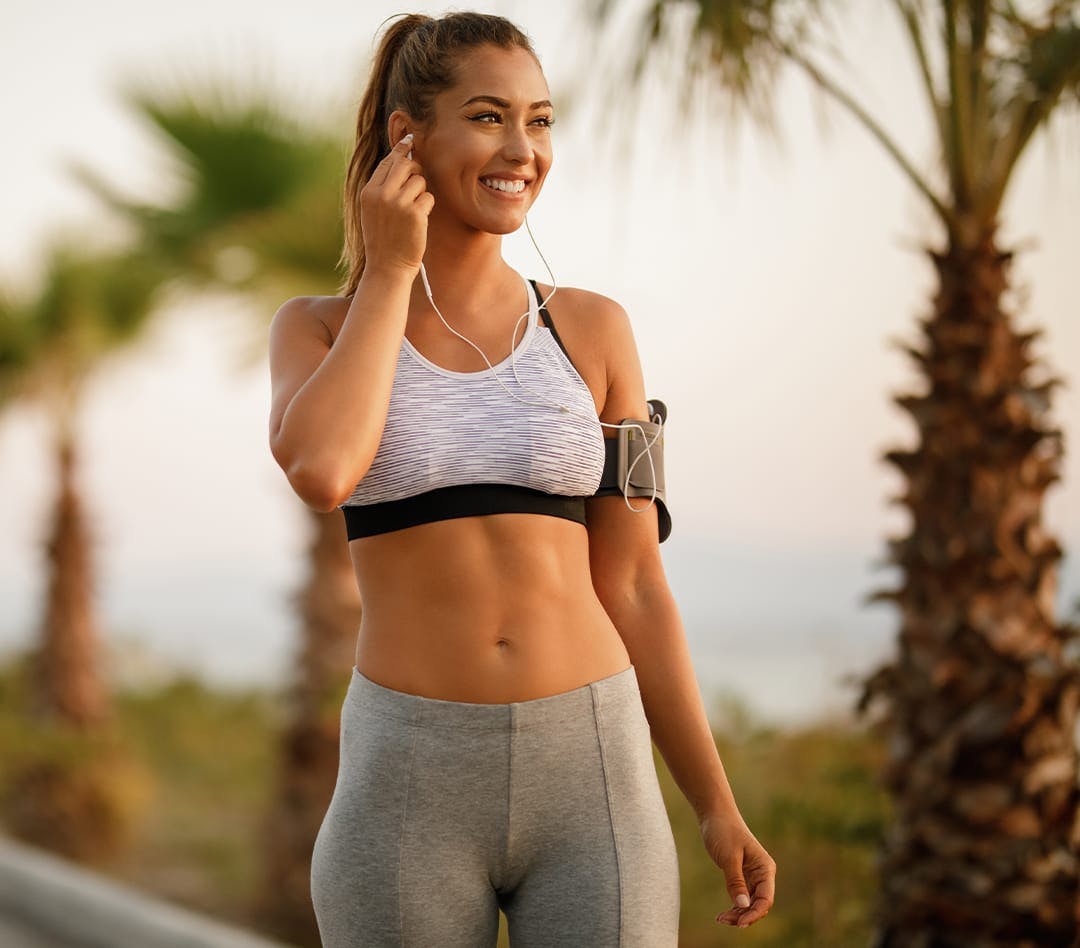
Woman wearing athletic wear on a run

Why Liposuction?

Several people admit to feeling frustrated when trying to reduce excess fat accumulated in the abdominal area, thighs, flanks, and other body parts. In some cases, exercise and diet may not alone be useful in eliminating/reducing stubborn fat. Hence, for those who wish to see noticeable results and get a more aesthetically appealing body shape, liposuction is an excellent option to consider. Patients all over the world have been undergoing this plastic surgery for over 3 decades now! You can be assured of its safety and effectiveness in enhancing your figure as it relies on the accurate targeting and elimination of isolated fat deposits.

It is critical for all liposuction candidates to understand that the procedure is aimed at improving their body shape. It does not target sagging skin, cellulite, or weight.


Liposuction Options

We schedule a detailed initial consultation with each liposuction candidate in order to understand their individual goals and explain the procedure and various options available. The decision related to the ‘type of liposuction’ procedure usually depends on the fat removal location, the nature of fat, and the individual goals of a patient. There have been significant medical advancements over the years and patients now have the option to choose from a variety of different non-invasive liposuction procedures that use ultrasound or laser energy. These include:

Tumescent Liposuction

In tumescent liposuction, the surgeon makes use of a cannula for suctioning out the targeted fat deposits. The fatty tissue is injected with tumescent fluid for the procedure. This procedure causes the contraction of blood vessels, which ultimately results in minimal bruising and reduced blood loss.

Laser-Assisted Liposuction

For the laser-assisted liposuction procedure, the cosmetic surgeon will use a highly-concentrated beam of laser light that helps in breaking down the fatty tissue. The procedure ensures minimal bruising, bleeding, and/or inflammation.

Suction-Assisted Liposuction (SAL)

This is one of the traditional techniques of liposuction that uses a small-sized cannula connected to a pressure vacuum.

Power-Assisted Liposuction (PAL)

In PAL, a powered or motorized cannula is utilized for extracting fat using smaller incisions. This is a shorter and more accurate form of surgery.

Background media

What to Expect

The liposuction procedure is usually performed on an outpatient basis and under the effect of general anesthesia or local anesthesia, depending on the individual case and preference of the patient. Before the liposuction surgery begins, the surgeon will likely mark all targeted body parts. He/she might also take pictures so that they can be used later to make a comparison with the results. In most liposuction procedures, patients can go back home on the same day. But they need to be driven back home by a friend or family member.

For candidates who get excessive fat removed, it is recommended that they plan for an overnight stay at the hospital.

Results of a liposuction procedure are typically long-lasting. However, the patient needs to ensure general fitness and steady weight. You would be able to notice an improvement in your body contour once the fluid retention and swelling following the liposuction surgery begin to subside. It is crucial to understand that gradual aging does cause a loss in firmness; however, most of the improvement after a liposuction surgery should be fairly permanent.

Abstract image

Am I a Candidate?

Usually, the best candidates are those who are in good health and within twenty-five pounds of their ideal weight prescribed for their body. The candidates must also be over 18 years of age in order to qualify for a liposuction procedure.

Liposuction FAQs

What Is Liposuction?

Is Liposuction a Weight-Loss Procedure?

Who Is a Good Candidate for Liposuction in Beverly Hills?

When Will I See My Liposuction Results?

Are Liposuction Results Permanent?

What Is Recovery Like After Liposuction?

What Are the Risks of Liposuction?

What Is Liposuction?

Liposuction is a body contouring procedure that removes stubborn pockets of fat through small incisions using a thin tube called a cannula. Liposuction in Beverly Hills is commonly performed on the abdomen, flanks, thighs, arms, back, chin, and chest to create smoother, more balanced proportions.

Is Liposuction a Weight-Loss Procedure?

No, liposuction is not designed for weight loss. According to the American Society of Plastic Surgeons, liposuction is meant to contour the body, and the best candidates are close to their ideal weight but have fat deposits that don't respond to diet and exercise.

Who Is a Good Candidate for Liposuction in Beverly Hills?

Good candidates for liposuction in Beverly Hills are healthy, nonsmoking adults near their goal weight with good skin elasticity. Liposuction removes fat but does not remove loose skin, so patients with significant skin laxity may benefit more from a tummy tuck, body lift, or thigh lift, either alone or combined with liposuction.

When Will I See My Liposuction Results?

Liposuction results appear gradually as swelling subsides. In the first days, fluid retention and swelling can make the treated area look temporarily larger, and final results generally appear one to three months after surgery, with subtle refinement continuing for several months afterward.

Are Liposuction Results Permanent?

The fat cells removed during liposuction do not come back. A study published in the ASPS journal Plastic and Reconstructive Surgery found that fat did not return to treated areas or shift to untreated areas after liposuction. However, the remaining fat cells can still enlarge with weight gain.

What Is Recovery Like After Liposuction?

Liposuction recovery typically involves wearing a compression garment, managing mild to moderate soreness, and taking short walks to support circulation. Many patients return to light work within one to two weeks, depending on how many areas were treated. Strenuous exercise usually resumes once your surgeon clears you.

What Are the Risks of Liposuction?

Risks of liposuction include bruising, swelling, temporary numbness, contour irregularities, fluid accumulation, infection, and bleeding. Choosing an experienced plastic surgeon who follows established safety guidelines, and closely following your post-operative instructions, helps minimize complications and supports smooth, even results.

Get The Most From Life

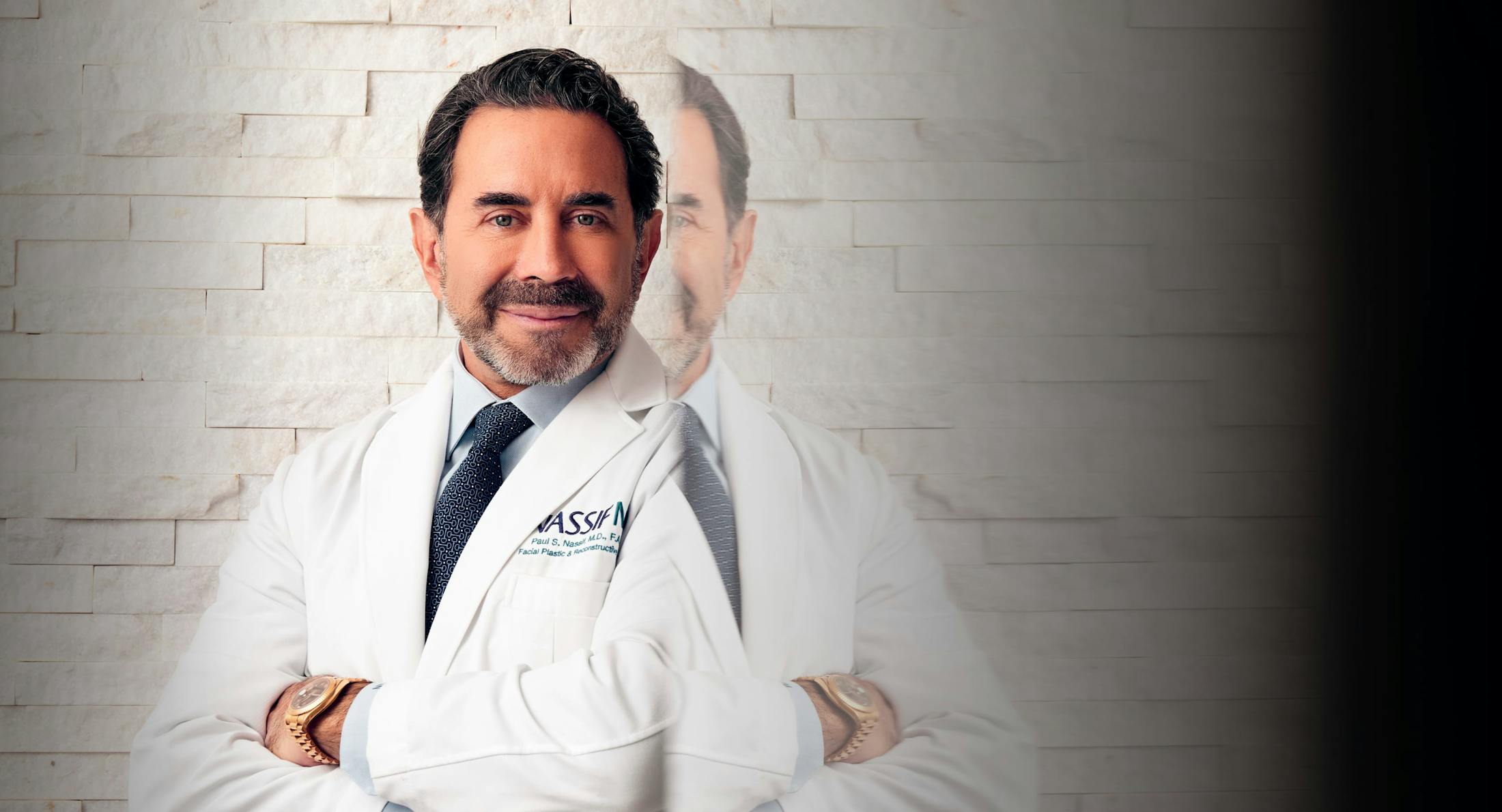
Dr. Paul Nassif understands the importance of feeling confident in your appearance. He works with patients to enhance their natural beauty and allow them to get the most out of life. If you are interested in an appointment with Dr. Nassif, contact our office to schedule your consultation.

Schedule a Consultation
Contact us media
Accessibility: If you are vision-impaired or have some other impairment covered by the Americans with Disabilities Act or a similar law, and you wish to discuss potential accommodations related to using this website, please contact our Accessibility Manager at 310-275-2467.
Contact Us