What is Fat Transfer?

Fat grafting also referred to as fat transfer or fat injections, is the surgical process by which fat is transferred from one body area to another. The surgical goal is to improve or augment the area where the fat is injected while slimming the donor site. Because correctly processed fat cells are still healthy and viable, they’ll naturally integrate with the patient’s existing fatty tissue.

The fat transfer process involves:

  • Extracting fat from the donor area with liposuction
  • Decanting, centrifugation, and processing of the fat
  • Reinjecting the purified fat into the augmentation site

Procedures involving only small areas may take as little as an hour, while more extensive transfer procedures can exceed four hours.

Woman in black lingerie posing on a bed

What Can Be Achieved with Fat Transfer?

Fat transfer can augment or fill areas of your body that lack volume. Some of the benefits of fat transfer in Beverly Hills include:

  • Redistrubitng unwanted fat
  • Hand, lip, and face rejuvenation
  • Adding volume to the breasts and buttocks
  • Filling in contour irregularities
  • Hiding apparent signs of breast implants for breast reconstruction
  • Reducing the risk of allergic reactions to foreign substances
  • More natural, longer-lasting results

Facial Fat Transfer

As we lose facial fat, hollows form around the eyes and under the cheeks. The remaining fat deposits clump together and sag, creating heavy jowls and forming loose skin. While dermal fillers are an excellent option to restore lost facial volume temporarily, they aren’t for everyone; some patients prefer the long-lasting results, look, and feel of natural fatty tissue. 

Facial fat transfer can be performed as a standalone procedure or combined with other cosmetic treatments for comprehensive overall rejuvenation.

For example, we can perform facial fat transfer during upper or lower blepharoplasty. Some of the other benefits include:

  • It restores a youthful appearance by adding volume to hollowed-out or wrinkled areas, such as the peri-orbital area, medial cheeks, etc.
  • Helps repair scars
  • Adds volume to the cheeks to create the appearance of higher cheekbones
  • Improves the texture and appearance of the skin

Where Can I Have Fat Transferred in the Face?

  • Lower Orbits
  • Nasal Labial Folds
  • Temples
  • Medial Cheeks
  • Upper eyelids
  • Lips
Background media

Breast Fat Transfer

Fat transfer breast augmentation enlarges your breasts without implants while slimming your donor site. Fat transfer breast augmentation harvests fat cells from your:

  • Stomach
  • Hips
  • Thighs
  • Back
  • Arms

A fat transfer procedure carries fewer risks than augmentation with breast implants. While it doesn't firm or lift the breasts, breast fat transfer has the following benefits:

  • Increases breast size by up to two cup sizes
  • Corrects breast asymmetry
  • Repairs radiation tissue damage
  • Treats breast implant capsular contractures
  • Helps correct scar deformities from lumpectomy or breast reconstruction
  • We can pair it with a breast lift for complete enhancement
  • The most natural-looking and feeling results

Body Fat Transfer

In addition to contouring and volumizing the face and breasts, fat transfer can improve the following body sites:

  • Hips, adding volume for a more feminine profile and better waist-hip ratio
  • Buttocks, making them appear perkier and larger
  • Hands and feet to reduce wrinkles, rejuvenate appearance, and provide padding for bony feet
Banner media

Am I a Good Candidate for Fat Transfer?

You’re likely a good candidate for fat transfer if you:

  • Are close to your ideal weight
  • Are in generally good health
  • Don’t smoke or are willing to quit smoking while recovering
  • Have sufficient donor fat
  • Want subtle, natural-looking results
  • Have realistic expectations

Fat Transfer Recovery and Results

The only incisions from fat transfer are those caused by the liposuction surgery used for fat harvest, causing minimal scarring, and the proceeding injection process is minimally invasive. Patients generally experience only a brief recovery period, quickly returning to normal activities. However, after surgery, expect to take about a week off to rest and heal.

Results appear gradually over months as the swelling goes down and the grafted fat establishes itself in the treated areas. Expect to see the final results from the procedure after about six months, after which the procedure is considered permanent. 

Fat cells expand or shrink during weight fluctuations, and the surviving cells transferred to the treated areas behave the same way as other fat cells in the body. This means grafted cells can expand if weight is gained, expanding the treated areas. Harvest areas can also gain fat, so you must maintain a stable weight before and after fat transfer in Beverly Hills to preserve your results.

Background media
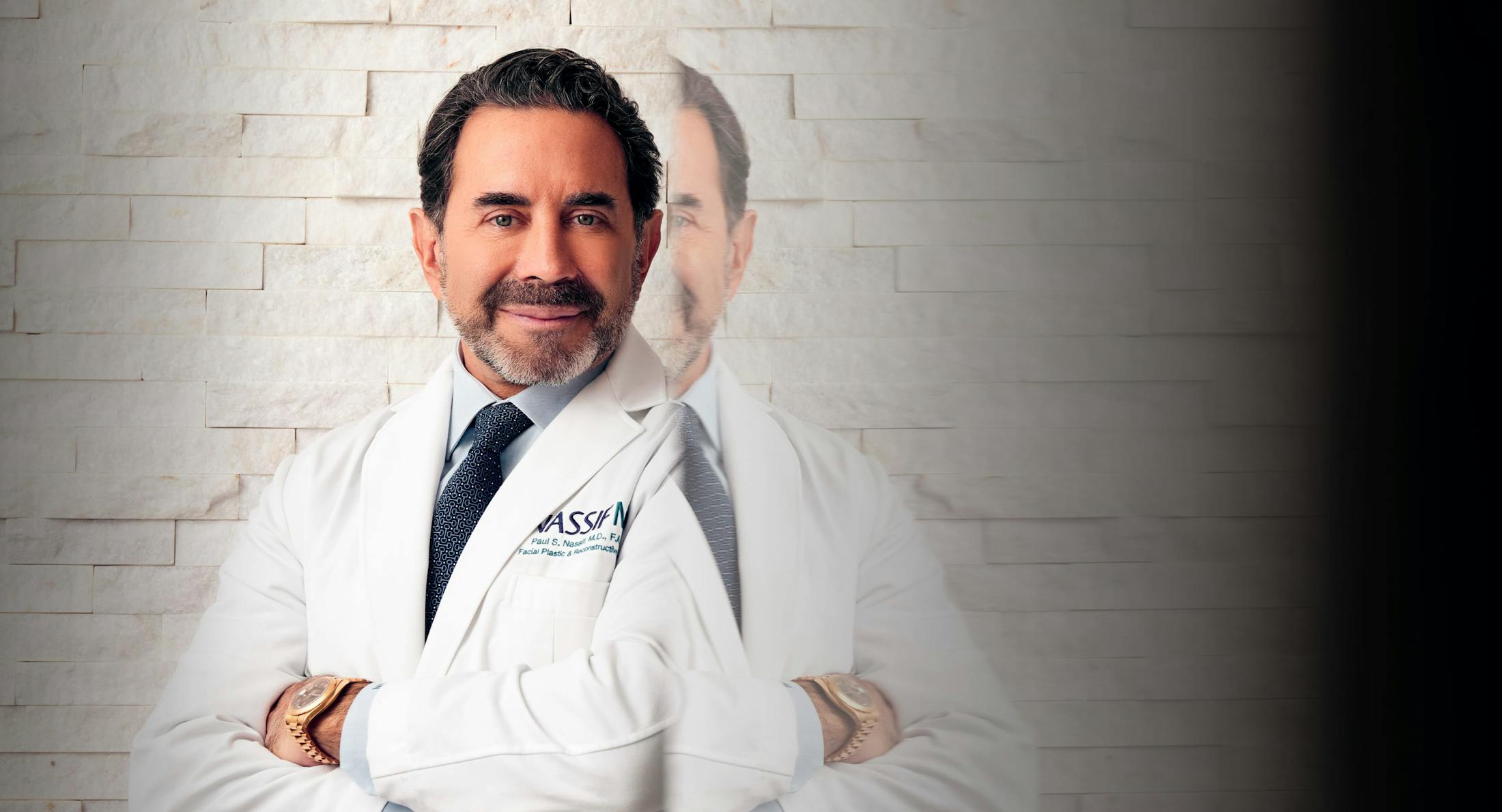
Dr. Paul Nassif

Why Choose Nassif MD Plastic Surgery for Fat Transfer in Beverly Hills?

Dr. Paul Nassif understands the importance of feeling confident in your appearance and getting the most from life. He works with patients to enhance their natural beauty and allow them to get the most out of life. If you are interested in an appointment with Dr. Nassif, contact our office to schedule your consultation.

Fat Transfer FAQs

What Is Fat Transfer?

Who Is a Good Candidate for Fat Transfer?

How Much of the Transferred Fat Survives?

Are Fat Transfer Results Permanent?

What Is Recovery Like After Fat Transfer?

How Does Fat Transfer Compare to Implants or Fillers?

What Are the Risks of Fat Transfer?

What Is Fat Transfer?

Fat transfer, also called fat grafting, uses liposuction to remove fat from one area of the body, purifies it, and then carefully injects it into another area to add volume. Fat transfer in Beverly Hills is commonly used to enhance the buttocks, hips, and breasts, and to restore volume in the face.

Who Is a Good Candidate for Fat Transfer?

Good candidates for fat transfer have enough excess fat in a donor area, such as the abdomen, flanks, or thighs, to harvest. Candidates should also be in good health, be nonsmokers, maintain a stable weight, and want a moderate, natural-looking increase in volume rather than a dramatic change.

How Much of the Transferred Fat Survives?

Not all transferred fat survives, because each fat cell must establish a new blood supply in its new location. The body naturally reabsorbs a portion of the grafted fat during the first few months. Your NassifMD® surgeon will account for this when planning your procedure, and some patients choose a second session for additional volume.

Are Fat Transfer Results Permanent?

Fat that survives the first few months is generally considered long-lasting. Transferred fat behaves like the fat in the rest of your body, so it can grow or shrink with significant weight changes. Maintaining a stable weight is the best way to preserve your fat transfer results.

What Is Recovery Like After Fat Transfer?

Fat transfer recovery involves two treatment areas: the donor site, where fat was removed, and the area that received it. Patients can expect swelling, bruising, and soreness in both places and will wear a compression garment. Buttock enhancement patients must also avoid sitting directly on the treated area for several weeks.

How Does Fat Transfer Compare to Implants or Fillers?

Fat transfer uses your own tissue, so there is no risk of an allergic reaction and no implant to maintain or replace. The trade-off is that fat transfer typically provides a more modest increase in volume than implants. Fat transfer also offers the added benefit of slimming the donor area.

What Are the Risks of Fat Transfer?

Risks of fat transfer include uneven results, lumps or firmness from fat that does not survive (fat necrosis), infection, and contour irregularities at the donor site. Fat transfer to the buttocks carries specific safety considerations, which is why careful technique and an experienced plastic surgeon are essential.

Get The Most From Life

Dr. Paul Nassif understands the importance of feeling confident in your appearance. He works with patients to enhance their natural beauty and allow them to get the most out of life. If you are interested in an appointment with Dr. Nassif, contact our office to schedule your consultation.

Schedule a Consultation
Contact us media
Accessibility: If you are vision-impaired or have some other impairment covered by the Americans with Disabilities Act or a similar law, and you wish to discuss potential accommodations related to using this website, please contact our Accessibility Manager at 310-275-2467.
Contact Us