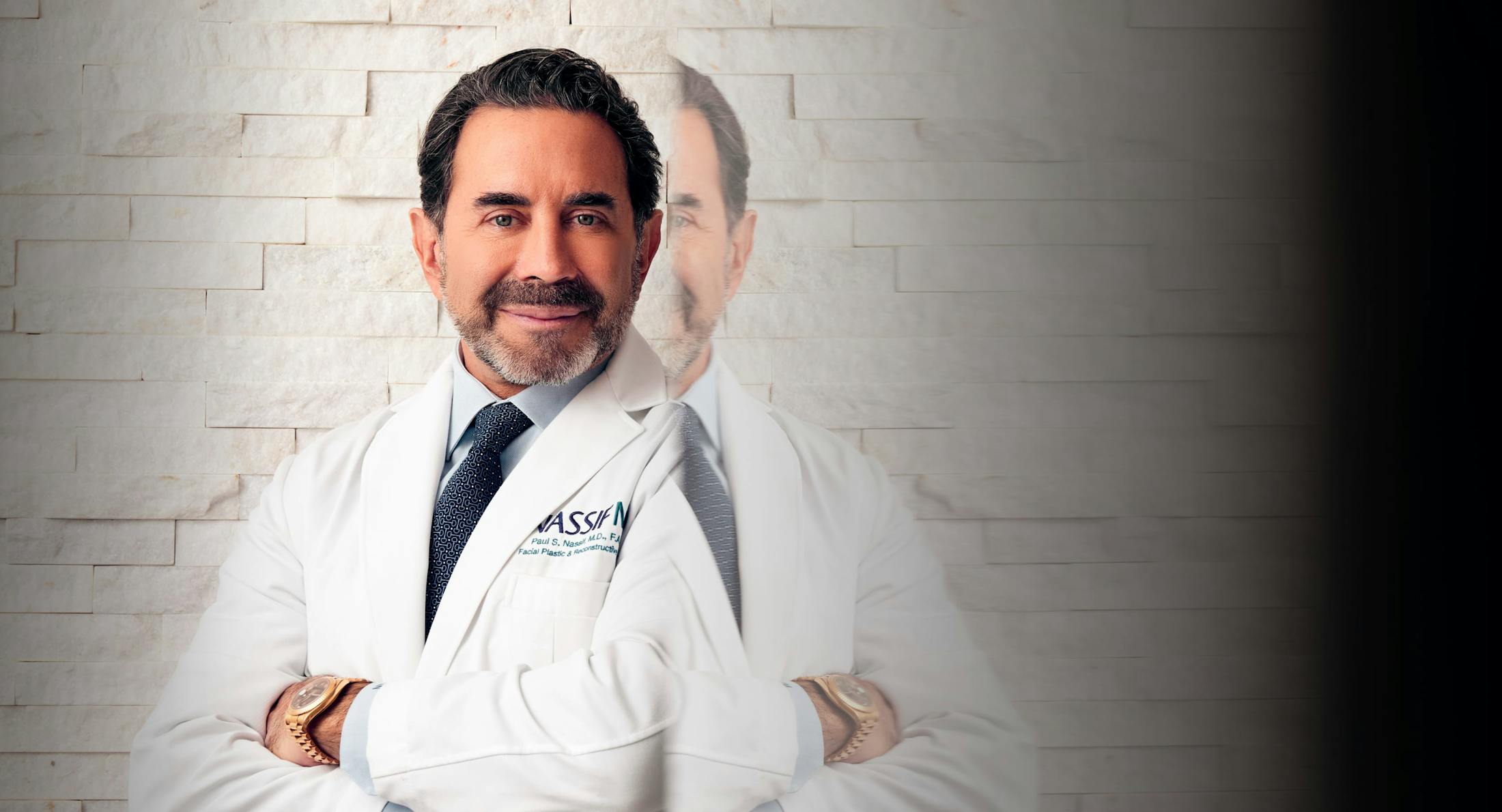
At NassifMD Plastic Surgery®, patients travel from around the world to see Dr. Paul Nassif, a board-certified facial plastic and reconstructive surgeon known for his precision and natural results. With extensive experience in both primary procedures and complex revision cases, his approach to facial rejuvenation is grounded in technical expertise and a refined aesthetic eye. While fillers can deliver noticeable improvements in the right setting, there comes a point where they are no longer enough. When skin begins to loosen, tissues shift, and facial structure changes, a facelift offers a more complete and lasting solution. Here’s how to recognize when surgery becomes the better option.
What Fillers Do Well
Fillers remain a valuable tool in facial rejuvenation, particularly in the earlier stages of ageing when volume loss is the primary concern.
- Early volume loss: Fillers restore subtle fullness in the cheeks, temples, and under-eye area without altering natural contours.
- Fine line softening: Strategic placement can support the skin and reduce the appearance of mild folds.
- Low-commitment treatment: With minimal downtime, fillers offer a practical way to maintain a refreshed appearance.
For patients with good skin elasticity and minimal sagging, fillers can enhance balance and vitality with precision.
When a Facelift Becomes the More Effective Choice
As facial ageing progresses, the underlying structures shift. Skin loses elasticity, tissues descend, and definition along the jawline softens. At this stage, adding volume alone does not correct the root of the issue.
A facelift is often the better option when you experience:
- Defined jowls: Surgical lifting repositions deeper tissues to restore a sharper, more youthful jawline.
- Noticeable skin laxity: Excess skin is addressed directly, creating smoother, firmer contours.
- Deep facial folds: Structural repositioning softens heavier creases more effectively than filler alone.
- Long-term goals: Facelift results typically last many years, offering a more enduring solution.
Advanced techniques such as deep plane and SMAS facelifts allow Dr. Nassif to lift the face at a foundational level, producing results that look naturally refreshed rather than artificially tightened.
Why More Filler Is Not Always the Solution
A common misconception is that increasing filler volume can indefinitely offset the effects of aging. In reality, this approach has limitations.
Attempting to compensate for sagging with added volume can blur facial definition and create heaviness through the mid-face. The cheeks may appear overly full while the lower face continues to descend. For patients seeking elegance and definition, this imbalance becomes noticeable over time.
Dr. Nassif’s philosophy prioritises structural integrity over excess volume. By addressing the true source of ageing, he ensures outcomes that remain balanced and harmonious.
A Strategic Combination Often Delivers the Best Outcome
Facial rejuvenation is rarely about choosing a single treatment. Instead, it is about combining the right approaches at the right time.
A facelift restores foundational support and contour, while fat grafting or selective filler can refine volume where needed. Skin resurfacing treatments further enhance texture and tone, completing the overall result. When each modality is used with intention, the outcome appears seamless and authentic.
A More Complete Approach to Looking Refreshed
Choosing between facelift and fillers comes down to what your face truly needs at this stage. Fillers can maintain and subtly enhance, but when structural ageing becomes more apparent, a facelift offers the level of correction required for natural, long-lasting results. Dr. Nassif combines advanced techniques with a globally recognized standard of care to help patients achieve results that feel balanced, refined, and true to them. If you are ready for a personalized recommendation, schedule your consultation with NassifMD Plastic Surgery® today.